
The Circular Supply Chain Coalition: Optimizing Circular Logistics
In an era of tariffs and shifting trade alliances, securing access to critical minerals has become a strategic priority. The Circular Supply Chain Coalition’s (CSCC) critical material hub and spoke accelerator platform, currently under development in North America (US, Mexico & Canada), The European Union, India and South East Asia offers a new model for recovering and reusing materials from existing products, thereby reducing waste, creating jobs, and increasing supply chain resilience. Hear how leaders are advancing circular approaches that balance economic growth, environmental stewardship, and national competitiveness, while learning best practices and capturing key learnings from the CSCC's initial pilot with partner FedEx as highlighted below:
Optimizing Circular Logistics Case Study:
Each year, 50 million tons of electronic waste (e-waste) is generated worldwide. To help address this issue, Pyxera Global collaborated with FedEx to design a circular logistics model. The goal was to understand how the logistics industry can better contribute to a more sustainable future by preventing e-waste. In Phase I, Pyxera released a blueprint in July 2023 to guide the logistics industry in adopting circular practices. The report, Powering Sustainability through Circular Logistics, emphasized the importance of and pathway ahead for the transition to a circular economy. Phase II was the e-waste collection pilot with FedEx Supply Chain (FedEx), Pyxera Global (Pyxera), Electronic Recycling Solutions (ERS), The Electronics Reuse & Recycling Alliance (TERRA), and American Battery Technology Company (ABTC). From September 2023 to January 2024, individuals and businesses in the U.S. could send broken or unused laptops and tablets to an e-waste recycling center, free of charge via FedEx. Devices that could be repaired were refurbished, while those beyond repair were dismantled to salvage valuable materials like lithium-ion batteries. Phase III published findings from the pilot and additional research, focusing on key aspects such as certifications, packaging, procedures, and the material volume necessary to ensure the success of a circular logistics program. These findings are part of a July 2025 report, Optimizing Circular Logistics: A Revisited Approach.
FedEx and Pyxera were awarded the 2025 SPLC Leadership Award for Circular Economy for this case study.
Presenters:
John Holm, Senior Vice President, Pyxera Global
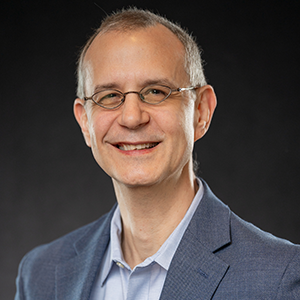 John leads Pyxera Global's circular economy & climate strategy. John has 15+ years’ experience designing and executing innovative circular economy strategies with a deep focus on material reverse logistics (ex. FedEx), city circularity strategy design (ex. Cleveland, OH) and large-scale reuse economy coalition-building.
In his current role, John also serves as the Convening Partner for the Circular Supply Chain Coalition, a multi-stakeholder partnership spanning across North America, the European Union, India, and Southeast Asia, focusing on the design and implementation of local critical mineral procurement hubs and the Circular City Coalition, a multi-stakeholder partnership supporting cities to unlock and enable decarbonization strategies embedded in food systems, energy transition and the built environment.
Before joining PYXERA Global, John spent most of his career pioneering international markets for global brands, such as Ikea, Starbucks, and Subway. He also teaches Circular Value Chain Management and Principals of Sustainable Management for the Bard Sustainability MBA Program.
Brandon Tidwell, Principal, FedEx Global Citizenship
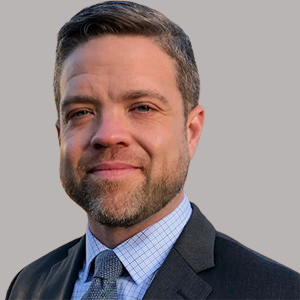 With over 25 years of experience in sustainability and corporate giving, Brandon has helped develop impactful community programs and partnerships that span the globe. As a Principal on the FedEx Citizenship team, he is responsible for the company’s philanthropic investments that advance climate solutions, including the Yale Center for Natural Carbon Capture.
Before FedEx, Brandon managed sustainability initiatives at Darden Restaurants, Blue Shield of California, and Sea World. Efforts included solar arrays, ocean health, animal welfare, energy and water efficiency, and landfill diversion efforts within a diverse set of industries.
Brandon has also fostered long-term partnerships with notable conservation groups such as the National Fish & Wildlife Foundation, World Resources Institute, Climate KIC, New England Aquarium, Everglades Foundation, RMI, and Audubon International.
Brandon has an MBA from the University of North Carolina, a Certificate in Philanthropy from NYU, and a Master of Social Work from Baylor.
Steven Napoli, President & Founder, TERRA (The Electronics Reuse & Recycling Alliance)
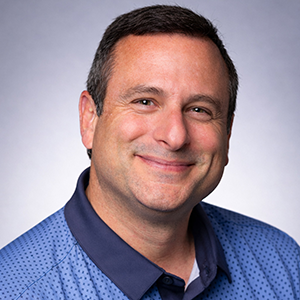 Steven Napoli is the President and Founder of TERRA (The Electronics Reuse & Recycling Alliance), an organization focused on addressing the environmental and health risks of electronic waste.
Under his leadership, TERRA has become the largest network of certified e-waste recyclers and IT asset disposition (ITAD) providers in the world with more than 120 facilities across 12 countries. The organization champions the reuse and responsible recycling of electronics by adhering to rigorous standards such as e-Stewards and R2 certification.
Napoli's efforts have helped raise awareness about the importance of sustainable e-waste management, a critical issue as electronics represent the fastest growing waste stream. He has been instrumental in developing partnerships with Fortune 500 brands like FedEx, Stanley Tools, and Walmart. He also spearheaded the Devices for Autism program that helps to turn retired laptops and tablets into high-quality jobs and training for adults with Autism Spectrum Disorder (ASD).
Napoli's focus on transparency, sustainability, and innovation has positioned TERRA as a thought leader in the e-waste recycling industry. He continues to advocate for the ethical disposal and reuse of electronics to protect both human health and the environment and support a more circular economy.
Tiffiany Moehring, Head of Communications and Marketing, American Battery Technology Company
 As a member of the leadership team at American Battery Technology Company, Tiffiany oversees the company’s communications and marketing ecosystem, driving the global narrative for a leader in critical battery materials and lithium-ion battery recycling. She is responsible for unifying purpose, brand voice and strategy across all touchpoints to support commercialization and growth.
Tiffiany believes that effective communication is the cornerstone of success, uniting purpose with action and transforming vision into reality. Her approach connects the dots and the people between internal culture, external reputation, and public good. Whether navigating government affairs, driving impact initiatives, managing organizational change or launching comprehensive marketing campaigns, she operates with a singular goal: to build trust and transparency for stakeholders across the board.
Send an e-mail to webinars@sustainablepurchasing.org with any questions.